

- Folder Internal News
- Views 653
- Last Updated 16/04/2026
From 9 to 10 April 2026, the National Institute for Food Control (NIFC), under the Ministry of Health of Viet Nam, participated virtually in the 28th Meeting of the ASEAN Food Testing Laboratory Committee (AFTLC). Attended by representatives of ASEAN Member States and the ASEAN Secretariat, the meeting was chaired by Ms. Laila Rabaah Ahmad Suhaimi, Deputy Director of the Laboratory Branch, Food Safety and Quality Programme, Ministry of Health, Malaysia.
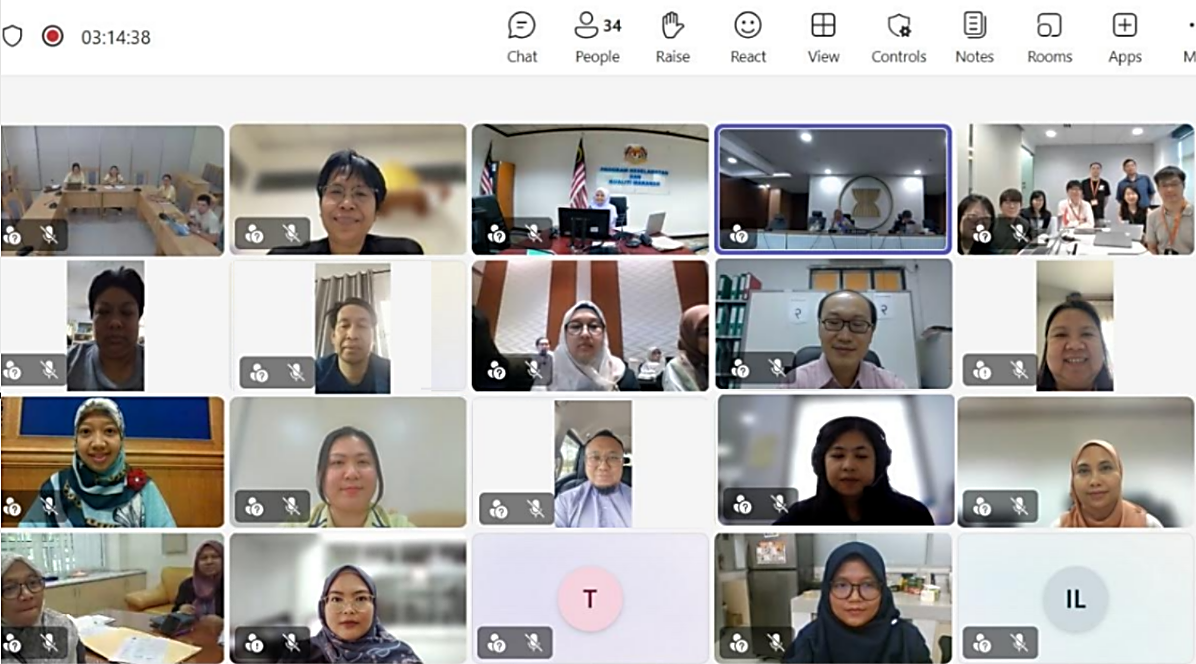
Figure 1. Delegates attending the meeting
At the meeting, delegates focused on the AFTLC's key priorities for the 2026–2030 period. Among these, the development of a Mechanism for the harmonisation of analytical methods in food testing, led by Singapore, was identified as a top priority, with the aim of supporting the reduction of technical trade barriers in the prepared food sector within ASEAN. The meeting also agreed on a roadmap to further refine the draft mechanism in 2026 for consideration at the 29th AFTLC Meeting. This is regarded as an important step toward enhancing consistency, comparability, and mutual recognition of test results among ASEAN Member States.
In addition, the assessment of the effectiveness of ASEAN Reference Food Laboratories (AFRLs) in supporting market integration and reducing trade barriers was one of the key topics discussed at the meeting. Member States agreed to designate Myanmar as the lead country to develop the concept note on “The assessment of the effectiveness of existing AFRLs”, while Viet Nam was assigned the lead role for the activity on “Reviewing and improving the mechanism for the periodic assessment of AFRL effectiveness”.
Another notable item discussed at the meeting was the update on the five-year reassessment of the AFRLs for heavy metals in Thailand, GMOs in Malaysia, and microbiology in Viet Nam. The meeting also noted the appointment of experts, confirmation of their participation, and the planned schedule for the upcoming assessments. In addition, the meeting considered proposals to expand the scope of the AFRLs for mycotoxins and pesticide residues, and agreed to seek further guidance before proceeding with the next steps.
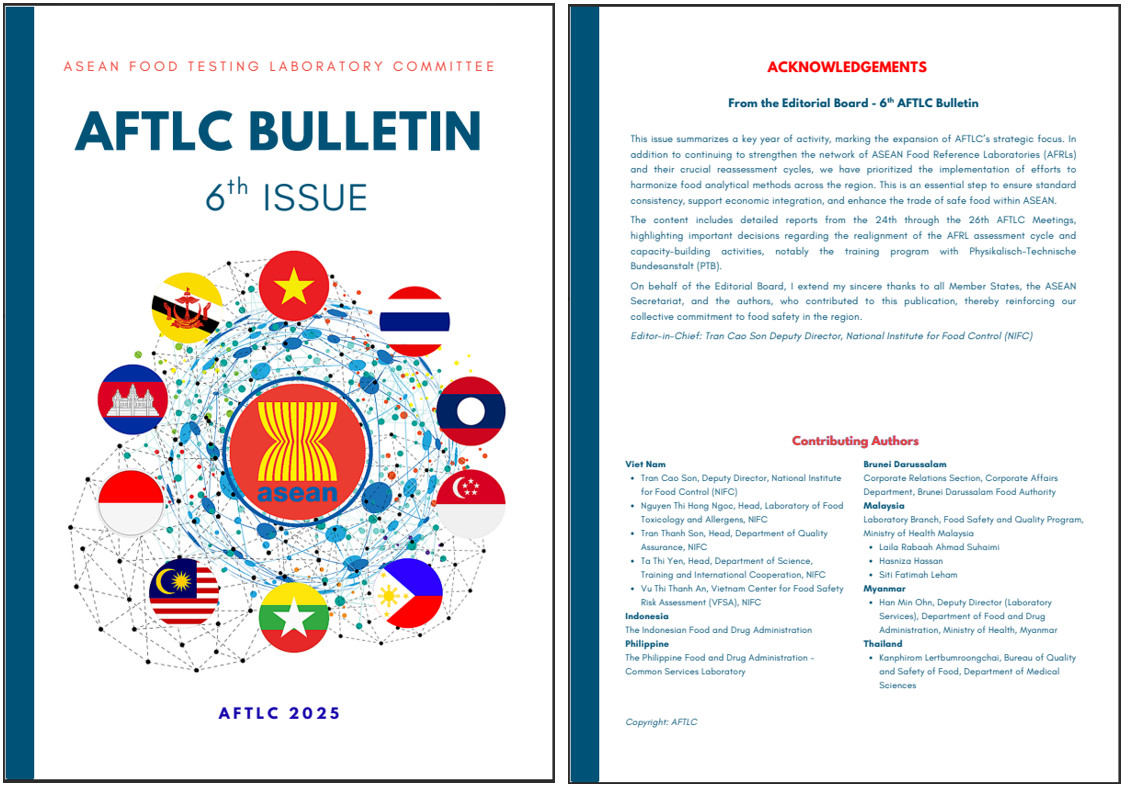
Figure 2. The 6th issue of the AFTLC Bulletin was developed under the lead coordination of the National Institute for Food Control.
For communication activities, the National Institute for Food Control served as the focal point for drafting the 6th issue of the AFTLC Bulletin, which was approved for publication after the conclusion of the meeting. The bulletin is structured into several key sections, covering reports from the 24th to the 26th AFTLC Meetings; highlights from the AFRL for Food Additives and the AFRL for Microbiology; regional capacity-building activities; and updates from member states such as the Philippines, Viet Nam, Brunei Darussalam, and Myanmar. This further demonstrates Viet Nam’s proactive and active engagement in the collective work of the AFTLC, not only in technical and professional matters but also in communication, networking, and experience sharing within the ASEAN food testing laboratory network.
The 28th AFTLC Meeting concluded in the spirit of ASEAN cooperation, solidarity, and constructive engagement. The outcomes agreed upon at the meeting are expected to further strengthen the role of the AFTLC in promoting the harmonisation of analytical methods, enhancing the effectiveness of ASEAN Reference Food Laboratories, and supporting regional integration and the facilitation of food trade within ASEAN. According to the current plan, the 29th AFTLC Meeting is scheduled to be held in November 2026 in Brunei Darussalam.
Since 2010, the National Institute for Food Control has participated in the AFTLC as the Head of the Vietnamese Delegation and has made significant progress, including strengthening its capacity in food testing and food safety assessment. The Institute has not only taken part in numerous training courses and technical workshops, thereby enhancing the professional expertise of its food testing staff, but has also nominated experts to participate in AFRL assessment missions. In 2025, an expert from the National Institute for Food Control was again selected to join the on-site assessment team for the AFRL in the field of pesticide residues in Singapore, conducted on 7–8 October 2025.
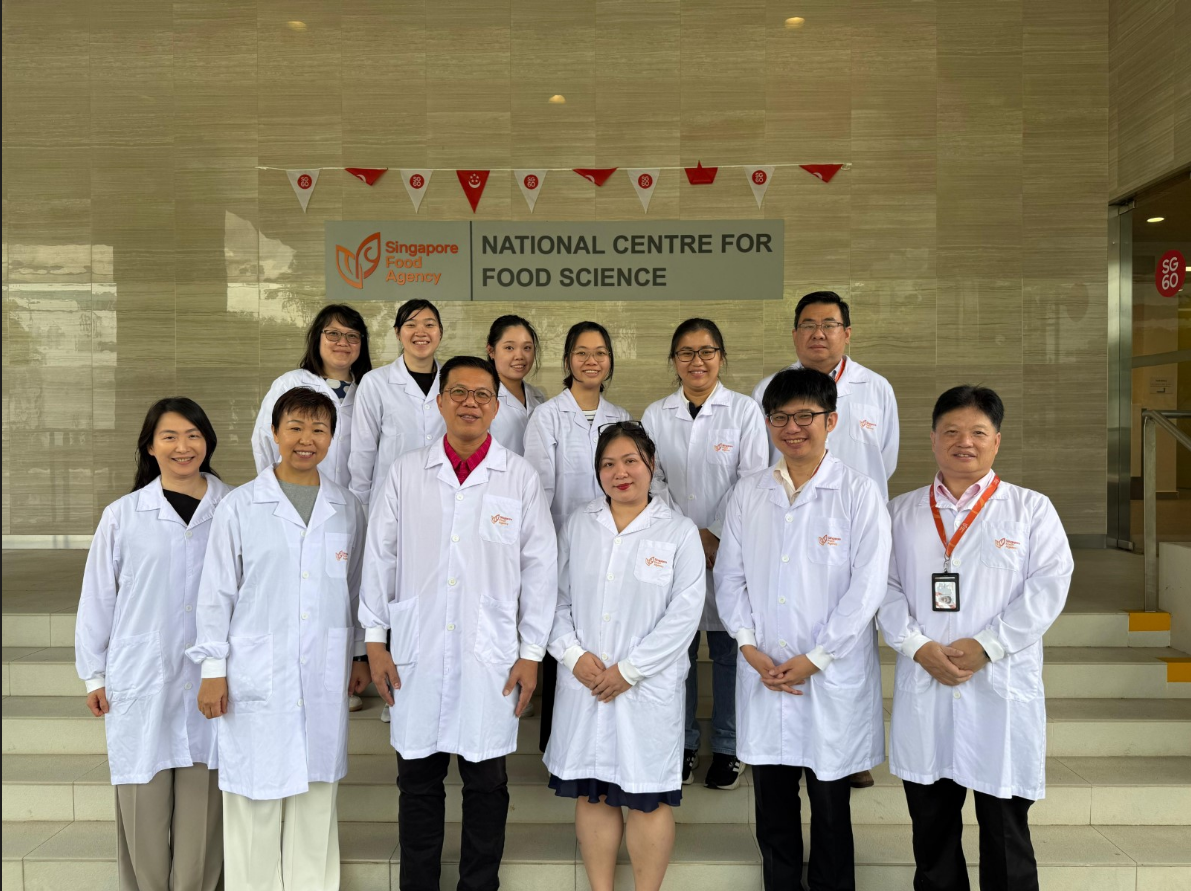
Figure 3. Mpharm. Nguyen Thi Hong Ngoc, the expert from NIFC, participated in the AFRL assessment team for pesticide residues in Singapore in 2025 (the third from the front right).
This has provided valuable opportunities to establish and maintain close cooperative relationships with laboratories and international organisations, thereby contributing to the sharing of knowledge and experience in the field of food safety. These achievements have helped, and will continue to help, enhance Viet Nam’s standing in food safety, safeguard public health, and support sustainable development within ASEAN.
Nguyen Thi Hong Ngoc - Quality Assurance Laboratory
National Institute for Food Control