

- Folder Technical News
- Views 3749
- Last Updated 17/04/2026
Cardiovascular diseases are currently the leading cause of death worldwide, with major risk factors including unhealthy diets, physical inactivity, tobacco use, and alcohol consumption. Among these, high intake of trans fats has been shown to significantly increase health risks, specifically raising the risk of all-cause mortality by 34%, coronary heart disease mortality by 28%, and the incidence of coronary heart disease by 21% [1].
1. Introduction of trans fat
Trans fats are a type of unsaturated fatty acids with a unique structure in which the double bonds are in the “trans” configuration. This structural difference alters their properties, making trans fats more solid and more stable than typical unsaturated fats.
2. Classification and characteristics of trans fats
Trans fats are classified into two main types: natural trans fats and industrial trans fats. The differences between these two types are presented in Table 1.
Table 1. Comparison between natural trans fats and industrial trans fats
|
Natural trans fat |
Industrial trans fat |
|
|
Origin |
Naturally formed in the stomachs of ruminant animals (such as cattle and sheep) through microbial fermentation |
Formed during the partial hydrogenation of vegetable oils (converting the configuration from “cis” to “trans”) |
|
Application |
Naturally present in foods |
Improves fat structure (from liquid to semi-solid/solid), enhances oxidative stability, extends shelf life, and provides crispness, flakiness, and richness to foods |
|
Level of health risk |
Has minimal impact when consumed at normal levels |
Adversely affects health |
|
Typical food sources |
Beef, lamb, milk, butter, and cheese |
Cookies, pastries, fried foods, margarine, snacks, and processed foods |
|
Typical content |
Low (2 – 6% of total fat) |
High (10 – 50% of total fat) |

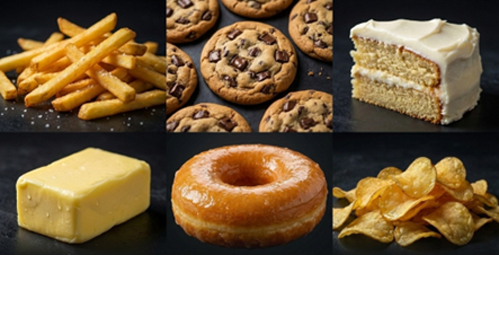
Figure 1. Examples of products with high trans fat content
3. Adverse health effects of trans fats
Trans fats are considered one of the most harmful types of dietary fats due to their direct effects on the cardiovascular system and metabolic processes. Consumption of trans fats increases low-density lipoprotein (LDL) cholesterol while simultaneously decreasing high-density lipoprotein (HDL) cholesterol, thereby promoting the formation of atherosclerotic plaques in blood vessel walls. This process narrows the arteries, impairs blood circulation, and increases the risk of serious cardiovascular diseases such as myocardial infarction and stroke.
In addition to cardiovascular effects, trans fats contribute to lipid metabolism disorders and increase the risk of obesity. Regular consumption of foods containing trans fats may reduce insulin sensitivity, thereby elevating the risk of developing type II diabetes [2,3].
Moreover, several studies have indicated that trans fats are associated with chronic inflammation in the body, which may further increase the risk of various non-communicable diseases.
Trans fats may also negatively affect liver function by promoting fat accumulation in the liver, thereby increasing the risk of non-alcoholic fatty liver disease. Furthermore, long-term consumption can lead to energy imbalance, affecting body weight and overall health [3].
Due to their ability to accumulate in the body and exert long-term effects, even small but prolonged intake of trans fats can cause significant harm. Therefore, minimizing or eliminating trans fats from the diet is an important measure for protecting health.
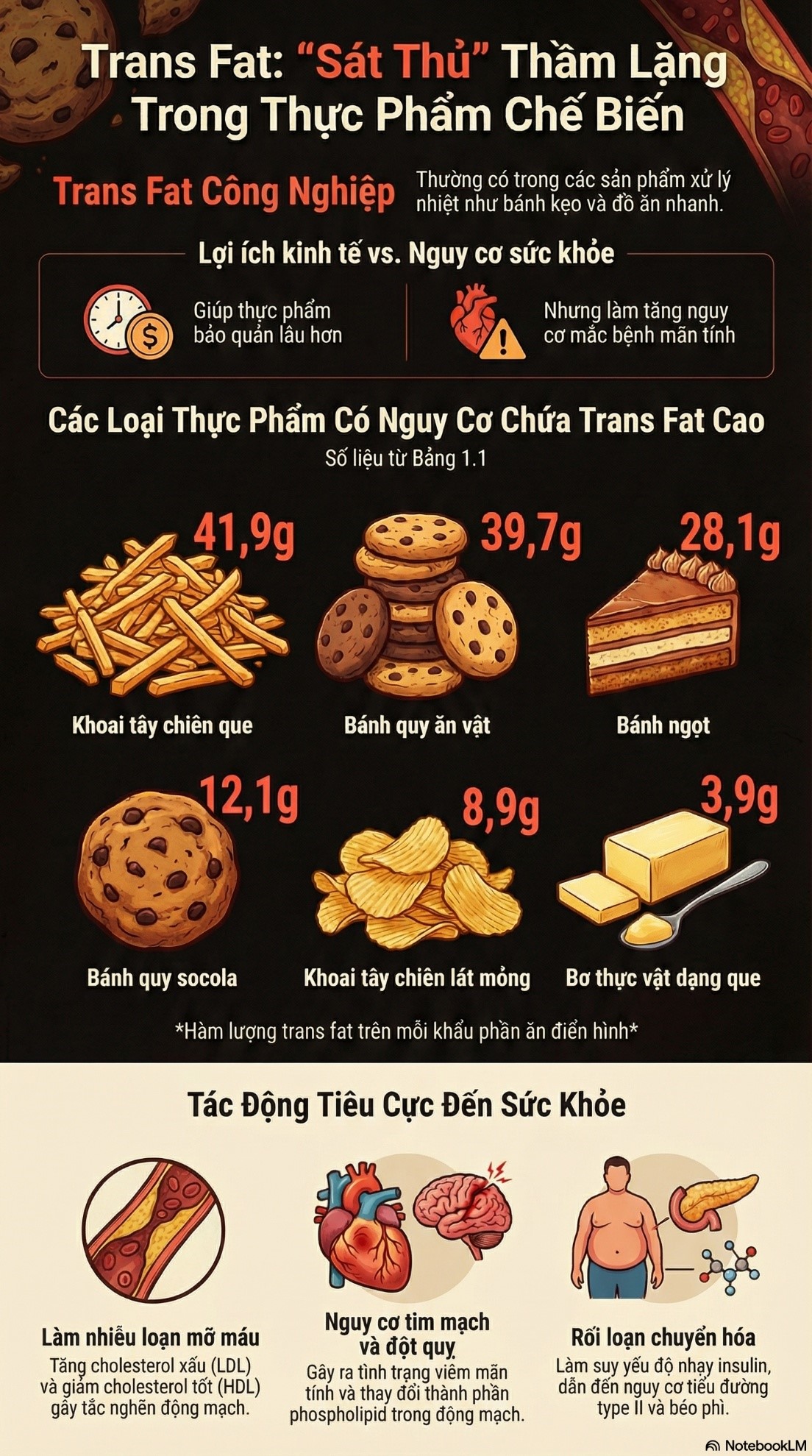
Figure 2. Effects of trans fats on consumer health
4. Safe limits and recommendations
The consumption of trans fats should be strictly controlled due to their adverse health effects. According to the World Health Organization (WHO), adults are recommended to limit trans fat intake to less than 1% of total daily energy intake, equivalent to under 2.2 g per day for a 2,000 kcal diet. This level is considered a safe threshold to reduce the risk of cardiovascular diseases and metabolic disorders [1].
However, many nutrition experts argue that there is no completely safe level of trans fat consumption, particularly for industrial trans fats. Therefore, the current trend is to minimize or completely eliminate trans fats from the diet, especially by reducing the intake of processed foods and fast foods.
To mitigate the harmful effects of trans fats, awareness and control of intake are essential. Consumers should carefully read food labels, paying particular attention to ingredients such as “partially hydrogenated oil,” which indicates the possible presence of trans fats, even when the label states “0 g trans fat.” In addition, limiting processed foods, fast foods, and repeatedly fried items is recommended. Prioritizing fresh, minimally processed foods and using natural vegetable oils can significantly reduce trans fat intake, thereby contributing to long-term health protection.
Analysis of trans fats at the National Institute for Food Control.
Currently, the National Institute for Food Control has been implementing the determination of trans fat content using modern gas chromatography systems with high accuracy (Figure 3), in compliance with the requirements of ISO/IEC 17025:2017.
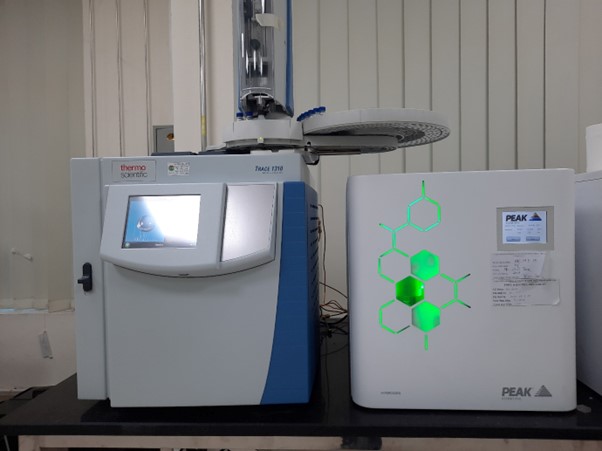
Figure 3. Gas chromatography–flame ionization detection (GC-FID) system used for trans fat analysis
The list of trans fatty acids recognized in accordance with ISO/IEC 17025:2017 is presented in Table 1 below.
Table 1. List of trans fats recognized under ISO/IEC 17025:2017 at the National Institute for Food Control.
|
No. |
Compounds |
Symbols of compounds |
|
1 |
Acid trans-12-octadecenoic |
C18:1n6t |
|
2 |
Acid trans-Vaccenic (Acid trans-11-octadecenoic) |
C18:1n7t |
|
3 |
Acid trans-10-octadecenoic |
C18:1n8t |
|
4 |
Acid Elaidic (Acid trans-9-octadecenoic) |
C18:1n9t |
|
5 |
Acid trans-8-octadecenoic |
C18:1n10t |
|
6 |
Acid trans-7-octadecenoic |
C18:1n11t |
|
7 |
Acid Petroselaidic (Acid trans-6-octadecenoic) |
C18:1n12t |
|
8 |
Acid Linolelaidic |
C18:2n6t(6t,9t)) |
|
9 |
Acid trans-9, cis-12-Octadecadienoic |
C18:2n6t(6c,9t) |
|
10 |
Acid cis-9, trans-12-Octadecadienoic |
C18:2n6t(6t,9c) |
|
11 |
Acid trans-9, trans-12, trans-15-octadecatrienoic (Acid trans-9,12,15-octadecatrienoic) |
C18:3n3(3t,6t,9t) |
|
12 |
Acid trans-9, trans-12, cis-15-octadecatrienoic |
C18:3n3(3c,6t,9t) |
|
13 |
Acid trans-9, cis-12, trans-15-octadecatrienoic |
C18:3n3(3t,6c,9t) |
|
14 |
Acid trans-9, cis-12, cis-15-octadecatrienoic |
C18:3n3(3c,6c,9t) |
|
15 |
Acid cis-9, trans-12, trans-15-octadecatrienoic |
C18:3n3(3t,6t,9c) |
|
16 |
Acid cis-9, trans-12, cis-15-octadecatrienoic |
C18:3n3(3c,6t,9c) |
|
17 |
Acid cis-9, cis-12, trans-15-octadecatrienoic |
C18:3n3(3t,6c,9c) |
Author: Kieu Van Anh – Laboratory of Food Toxicology and Allergy.
National Institute for Food Control.
REFERENCES
[1] World Health Organization, “Trans fat,” WHO, 2023. [Online]. Available: https://www.who.int/news-room/fact-sheets/detail/trans-fat
[2] World Health Organization, Saturated fatty acid and trans-fatty acid intake for adults and children: WHO guideline. Geneva, Switzerland: WHO, 2023.
[3] World Health Organization, Saturated fat and trans-fat intakes and their replacement with other macronutrients: a systematic review and meta-analysis of prospective observational studies. Geneva, Switzerland: WHO, 2023.