

- Folder Internal News
- Views 220
- Last Updated 05/06/2026
Towards World Food Safety Day (June 7) with the theme “From burden to solutions - Safe food everywhere”, the National Institute for Food Control (NIFC) continues to promote the role as the highest-level testing unit in the health sector. Breakthroughs in scientific research, the application of cutting-edge technologies, and the coordinating position at international forums stand as testaments to NIFC's dedicated efforts for public health and Vietnam's technical reputation on the global stage.
Food safety is not only closely linked to public health, but also forms a vital foundation for sustainable development. World Food Safety Day 2026 calls for transforming the burden of food safety incidents into concrete, practical, and accessible solutions for everyone. Faced with challenges from emerging hazards and technical barriers in international trade, NIFC has been establishing a resilient "scientific shield," enabling the early and accurate detection of foodborne hazards through a state-of-the-art equipment system.

In terms of technical expertise, NIFC is the first laboratory in Vietnam to be accredited for the capability to determine the emetic toxin cereulide in milk using liquid chromatography-tandem mass spectrometry (LC-MS/MS) under the ISO/IEC 17025:2017 standard. Concurrently, undergoing the assessment and recognition for the GLP-OECD system by the Bureau of Accreditation (BoA) demonstrates a technical capacity that is not only leading the country but also fully compatible with stringent international standards. These technological solutions serve as a substantive answer to the question of how to prevent food safety from being a burden and instead turn it into a solid foundation.
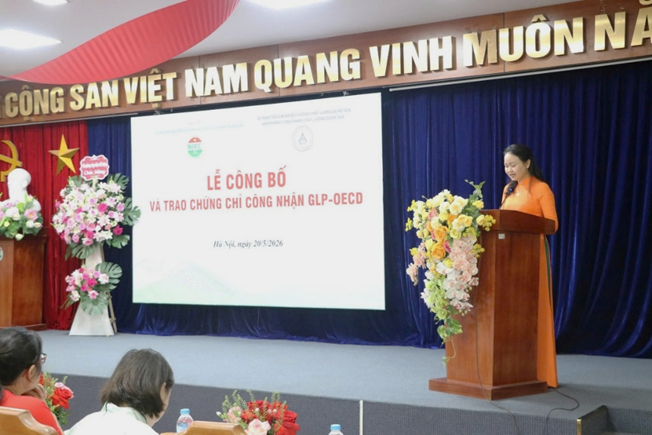
Announcement of GLP-OECD Accreditation
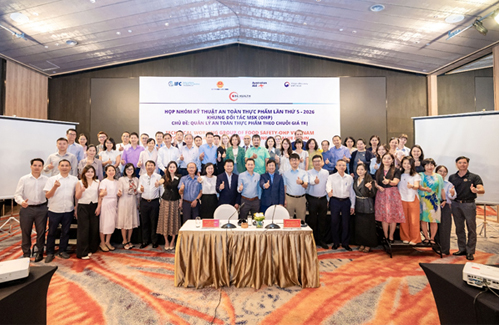
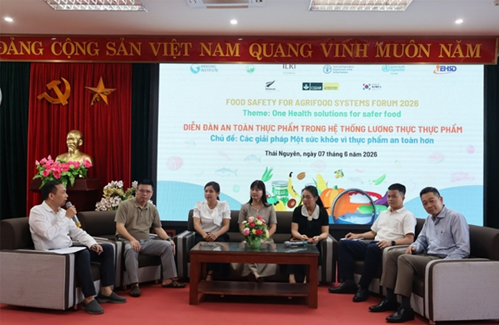
Alongside technological strengths, NIFC also creates sustainable solutions through risk assessment, incident response, and transfer training activities. NIFC has chaired a ministry-level research project on the exposure levels and health risks of substances generated during food processing. Concurrently, the institute has collaborated with international organizations, such as the SAFEGRO Project (Canada) in assessing the risks of Salmonella and Histamine contamination, and the International Livestock Research Institute (ILRI) in applying chemical and microbiological risk assessments. Notably, this capacity is transformed into practical action through interdisciplinary food incident response training workshops following the advanced FIORP process. Fulfilling the responsibility of a leading institution in the field, NIFC promptly organized training courses to transfer cereulide toxin analysis procedures to testing units nationwide, conducted technical training on investigative sampling for food poisoning for provincial and municipal Departments of Health, and particularly chaired an international training course on mycotoxins for laboratories within the ASEAN region. Consequently, NIFC does not merely provide solutions but systematically replicates them, helping to standardize and elevate the testing capacity for the entire system and the region
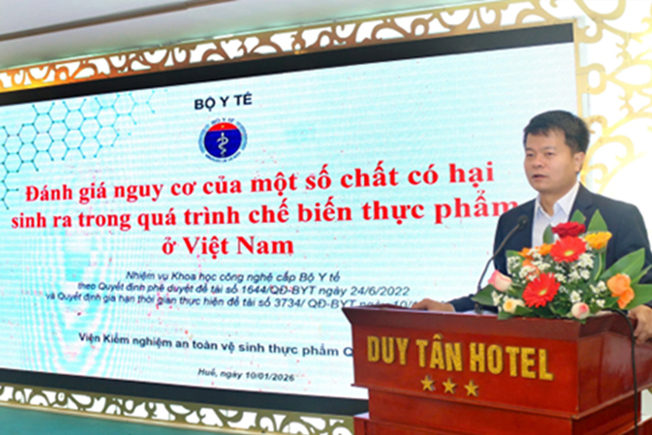
Workshop on Risk assessment of substances generated in food processing in Vietnam
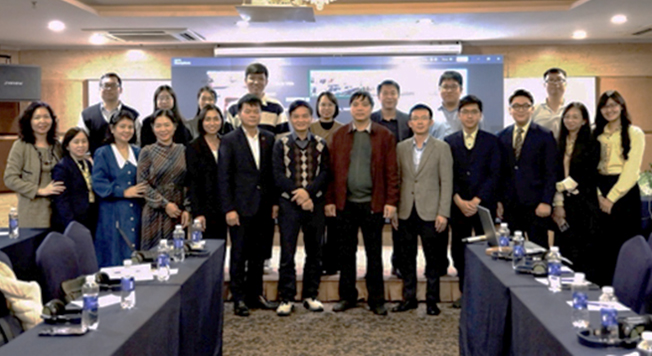
Workshop on Consultation and xharing of risk assessment results
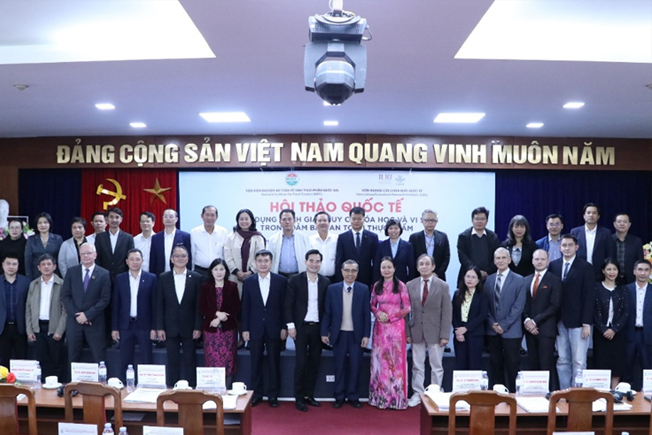
International conference on Chemical and microbiological risk assessment for food safety
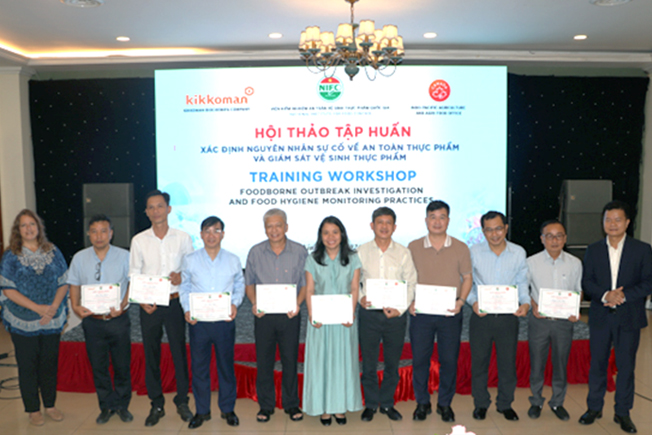
Workshop on Foodborne outbreak investigation and Food hygiene monitoring
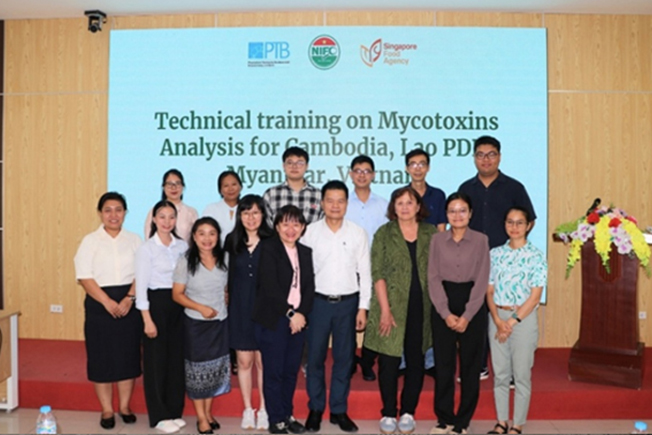
Intensive training course on mycotoxin analysis in cereals for some ASEAN countries
On the academic and technological fronts, NIFC has synchronously deployed foundational solutions to effectively transform hazards into controlled outcomes. The Vietnam Journal of Food Control has officially been indexed in the Directory of Open Access Journals (DOAJ) and achieved the Vietnam Scientific Standard under Decision No. 2244/QD-BKHCN dated April 28, 2026. NIFC had successfully organized the Workshop for Journal capacity enhancement, featuring leading professors, not only elevates the status of domestic scientific knowledge but also reflects the ambition for deep integration into stringent international standards such as Scopus or ISI.
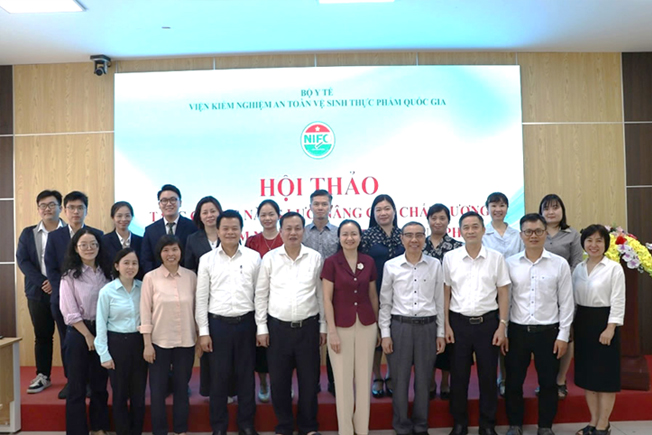
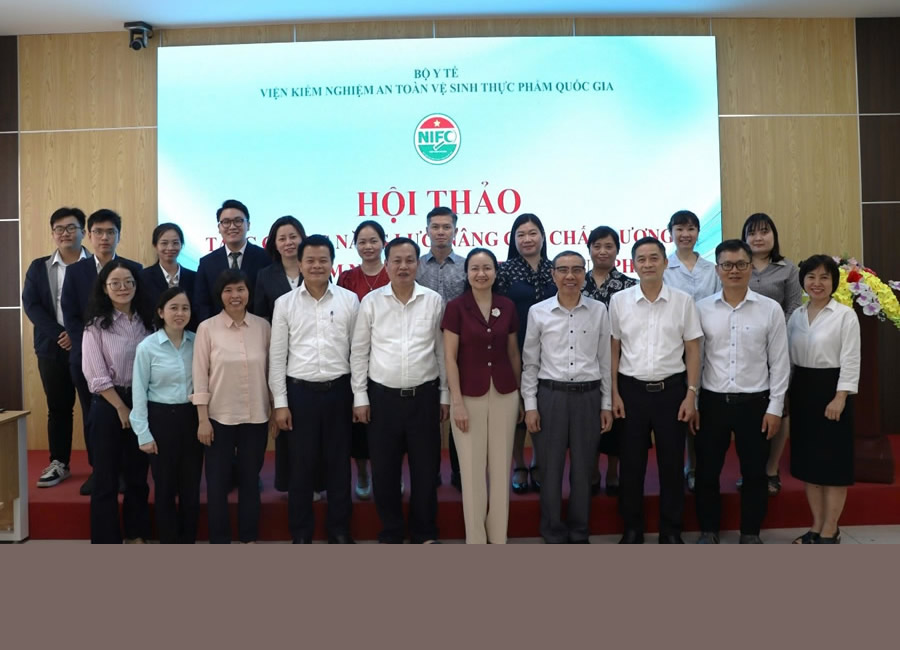
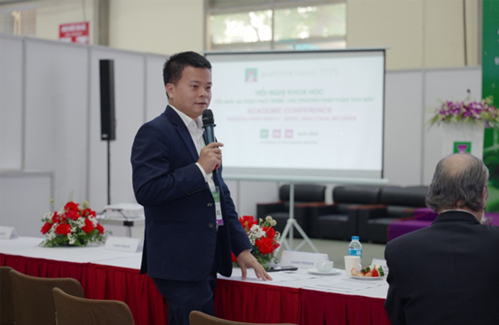
Workshop on Capacity Building, Quality Improvement of the Vietnam Journal of Food Safety
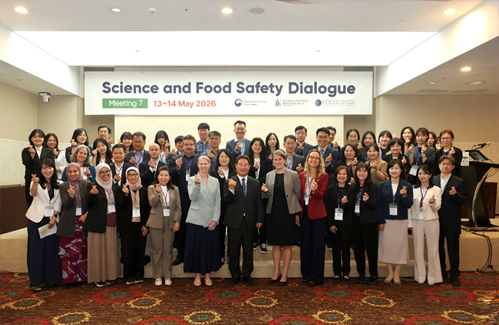
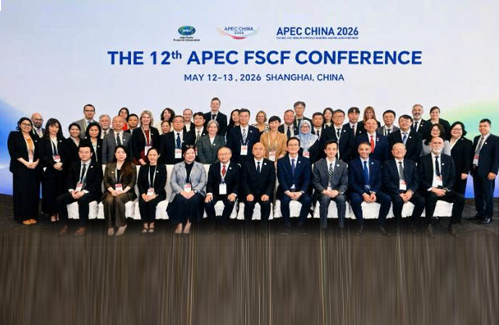
On the international stage, NIFC has asserted the representative voice for global food safety solutions. The institute provided profound expert contributions at the 28th Meeting of the ASEAN Food Testing Laboratory Committee (AFTLC) and directly participated in discussing the development of the Codex CXS 234-1999 standard at the 45th Session of the Codex Committee on Methods of Analysis and Sampling (CCMAS45) in Hungary. Furthermore, NIFC served as the Vice-Chair executing the 12th APEC Food Safety Cooperation Forum (FSCF) Meeting in Shanghai, while proactively proposing a project to enhance risk assessment data to minimize trade barriers. This crucial coordinating role not only enhances Vietnam's scientific diplomacy status but also serves as a substantive preparation for NIFC to represent the nation as the Chair of the APEC FSCF in 2027. NIFC also became an official member of the Food Safety and Science Forum and participated in the 7th meeting in Seoul, South Korea, with various critical agendas. Consequently, from a domestic testing unit, NIFC has transformed into a vital solution link within the global food safety network.
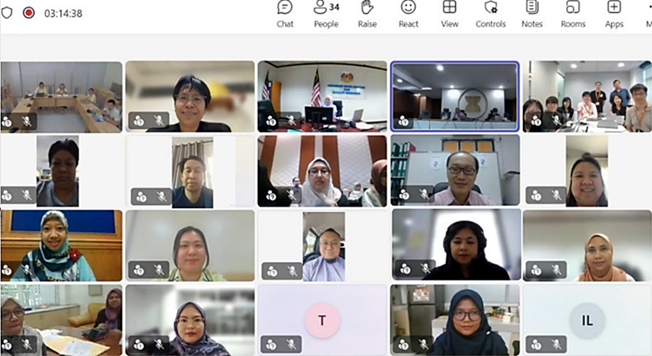
NIFC attended the 28th Session of the Asean Food Testing Laboratory Committee - AFTLC
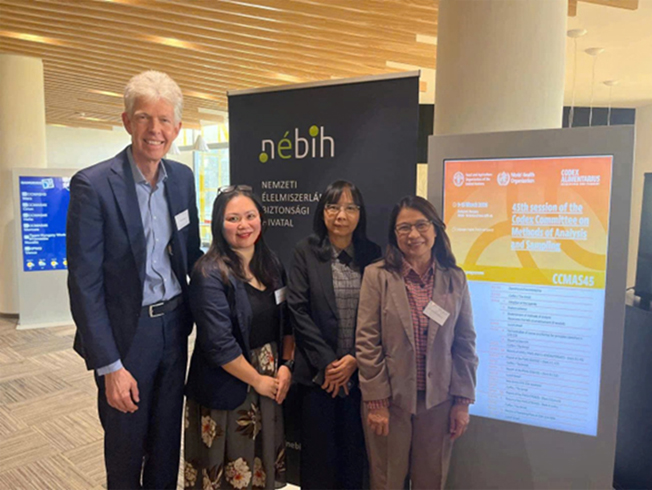
NIFC attended the 45th session of the Codex Committee on Methods of Analysis and Sampling - CCMAS
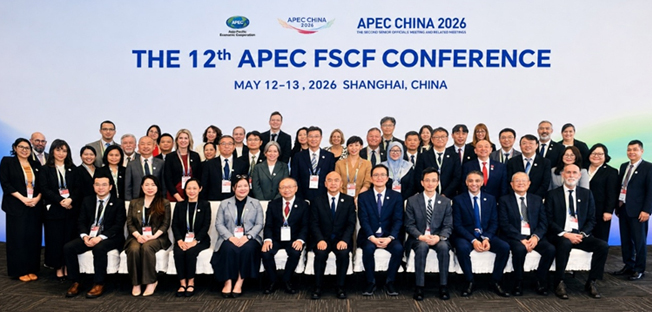
NIFC attended the 12th FSCF APEC Conference
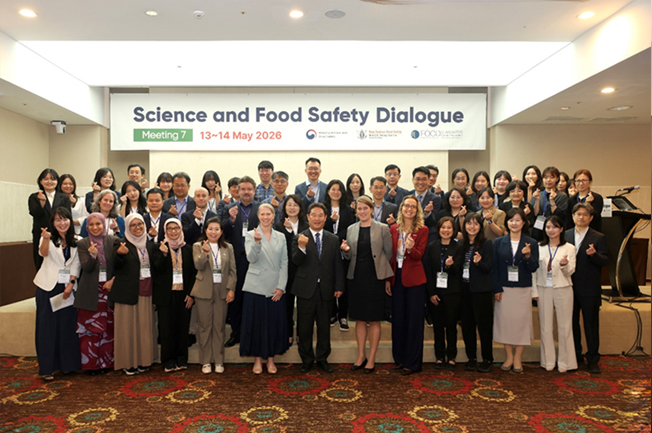
The Food Safety and Science Forum in Korea
The Action Month for Food Safety 2026 aims to further strengthen food safety assurance, with the central theme being “Ensuring food safety, preventing food poisoning in catering services and street food”. Given the strict requirements for raw material traceability and the thorough prevention of poisoning risks, NIFC consistently companies regulatory authorities in implementing monitoring, post-market inspections, and issuing timely quality warnings based on solid scientific evidence. The close coordination between state management capabilities and a modern testing technology platform will create a resilient shield, enabling the early identification of foodborne hazards and the comprehensive protection of public health.
Continuing the journey of transforming burdens into solutions, from October 15-16, NIFC will organize the International Food Control Conference (FCC 2026) under the theme “Smart Food Safety Control toward International Harmonization”. This pinnacle scientific event is not only a forum for domestic and international experts to share control and food safety assurance solutions, but also a clear testament to NIFC's pioneering spirit in turning the message “From burden to solutions - Safe food everywhere” into reality, for a sustainable future and public health.
Written by: Nguyễn Tuấn Thành, Trung tâm đánh giá nguy cơ về an toàn thực phẩm.